How The Southern Way Might Be Your Gateway to the Southern Lakes.
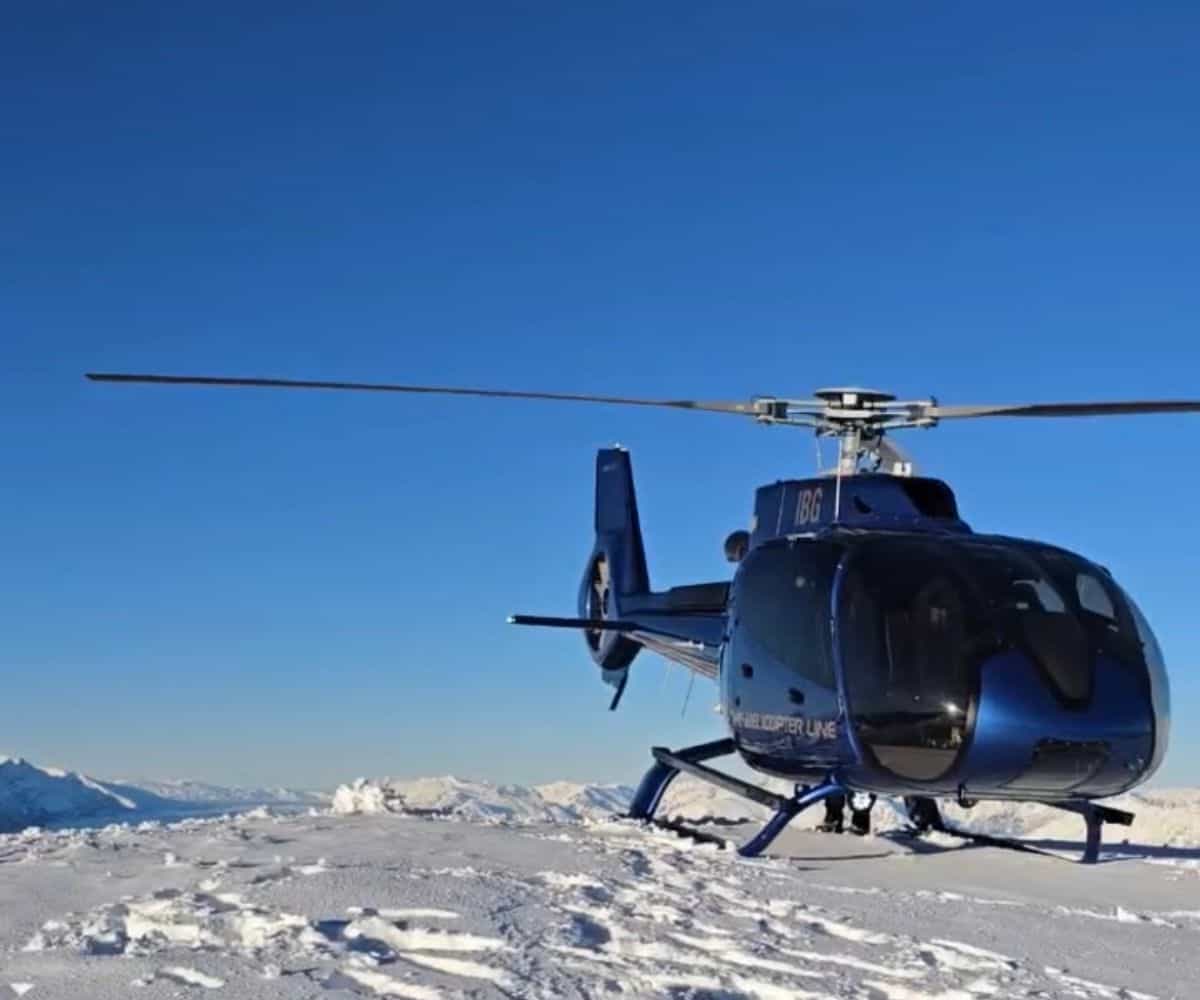
New Zealand’s South Island is famous for its dramatic landscapes—snow-capped peaks, deep glacial lakes, winding alpine roads, and quiet towns that feel untouched by time. Among its most captivating regions is the Southern Lakes, home to iconic destinations like Queenstown, Wānaka, and Fiordland.
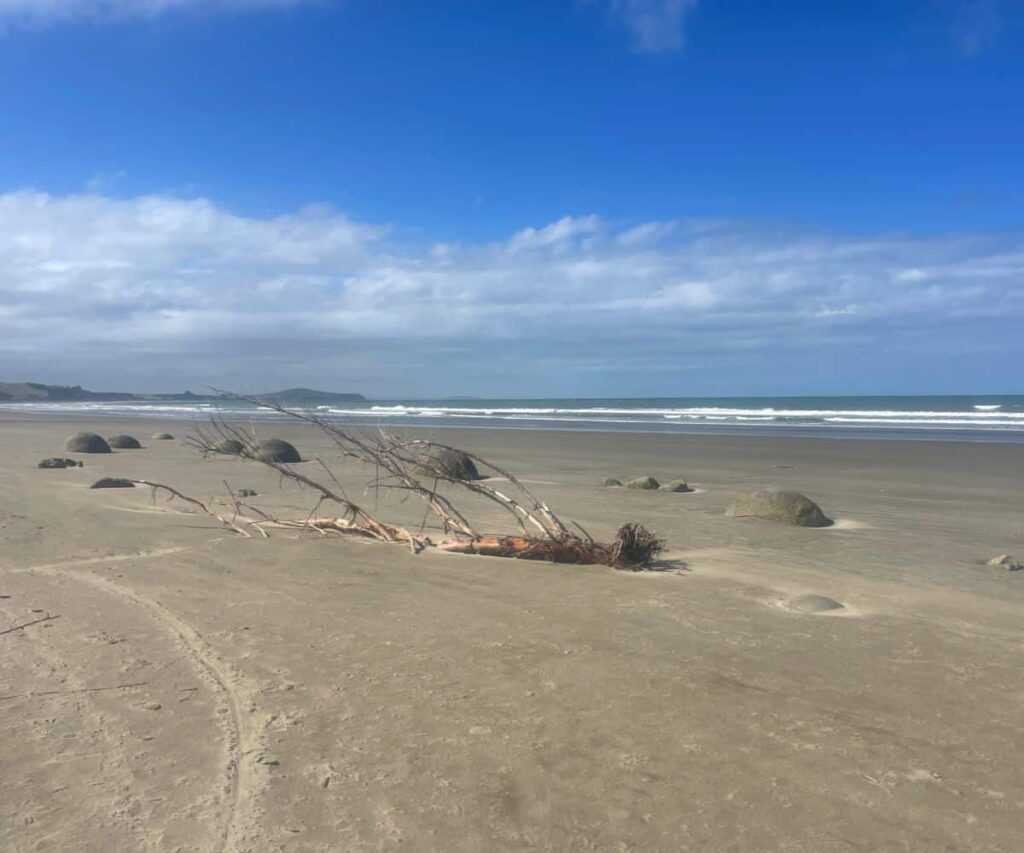
While many travellers rush directly to Queenstown, there is a more thoughtful and scenic approach to discovering this region: The Southern Way. This touring route is designed to slow the journey down, guiding visitors through lesser-known landscapes, authentic rural towns, and breathtaking viewpoints before reaching the heart of the Southern Lakes.
In many ways, The Southern Way is not just a road—it is an introduction to the spirit of the South Island.
What is The Southern Way?
The Southern Way is a scenic touring route across the lower South Island of New Zealand, connecting coastal, inland, and alpine regions. It encourages travellers to explore beyond the usual tourist circuits and experience the journey as part of the destination.
Instead of flying directly into Queenstown, travellers following The Southern Way often begin in cities like Invercargill or Dunedin and gradually make their way north-west through rolling farmland, rugged coastlines, and dramatic mountain ranges.
This slower route allows visitors to experience the diversity of landscapes that define the region, offering a richer and more immersive introduction to the Southern Lakes.
A Journey Through Contrasting Landscapes
One of the most compelling aspects of The Southern Way is the dramatic change in scenery along the route. Coastal plains quickly give way to dense forests, wide rivers, and alpine passes.
Travellers might begin their journey near the southern coastline, where windswept beaches and dramatic cliffs dominate the horizon. As they move inland, the scenery becomes greener and more pastoral, with farmland stretching toward distant mountain ranges.
Eventually, the landscape transforms completely into alpine terrain, where snow-dusted peaks and crystal-clear lakes signal the approach to the Southern Lakes region.
This gradual transition creates a sense of anticipation that flying directly into Queenstown simply cannot replicate.
Gateway Towns Worth Exploring
Several small towns along The Southern Way serve as perfect stopping points, each offering its own character and charm.
Places like Gore, Te Anau, and Lumsden provide a glimpse into authentic rural New Zealand life. These towns are often surrounded by natural beauty, including rivers, forests, and scenic walking trails.
Te Anau, in particular, is often considered the gateway to Fiordland National Park, one of the most spectacular wilderness areas in the world. From here, travellers can access Milford Sound, Kepler Track, and other iconic outdoor experiences.
These stops turn the journey into a collection of experiences rather than just a transfer between destinations.
Reaching the Southern Lakes
The ultimate reward of The Southern Way is arrival in the Southern Lakes region itself.
Southern Lakes
This region includes some of New Zealand’s most famous destinations:
- Queenstown, known for adventure sports and alpine scenery
- Wānaka, a quieter lakeside town with dramatic mountain views
- Glenorchy, a remote and cinematic landscape often used in film
- Fiordland, home to some of the world’s most dramatic fjords
Arriving here after a slow and scenic journey enhances the experience. The mountains feel larger, the lakes more striking, and the entire landscape more meaningful because you have watched it gradually unfold.
Why The Southern Way Changes the Travel Experience
Travelling The Southern Way is not just about seeing more places—it is about changing the pace of travel.
Instead of rushing from airport to hotel, visitors experience long stretches of open road, quiet moments in nature, and stops in places that are often missed by traditional itineraries.
This approach creates a deeper emotional connection to the landscape. The journey becomes as memorable as the destination itself.
It also allows travellers to avoid peak tourist congestion, discover hidden viewpoints, and engage more meaningfully with local communities.
Ideal for Road Trips and Self-Drive Adventures
The Southern Way is particularly well-suited to self-drive travel. Renting a car or campervan gives visitors complete flexibility to stop wherever they choose, whether it is a scenic lookout, a small café, or a walking trail.
Road conditions are generally excellent, and signage makes navigation straightforward. However, the real appeal lies in the freedom to explore without a fixed schedule.
For photographers, nature lovers, and slow-travel enthusiasts, this route offers endless opportunities to capture and experience the landscape at its own pace.
When to Travel
The Southern Lakes region is beautiful year-round, but each season offers a different experience.
Summer brings long daylight hours, green valleys, and ideal conditions for hiking and outdoor activities. Autumn transforms the landscape into rich golden tones, especially around Wānaka and Central Otago. Winter brings snow-covered peaks and world-class ski conditions, particularly in Queenstown.
Spring offers a quieter experience, with blooming landscapes and fewer tourists.
Choosing the right season depends on whether you prefer adventure, tranquillity, or photography-focused travel.
Final Thoughts
The Southern Way is more than just a scenic route—it is a philosophy of travel that values experience over speed. By taking this slower, more immersive path, travellers gain a deeper appreciation for the landscapes that define New Zealand’s South Island.
Arriving in the Southern Lakes after such a journey feels different. It feels earned. The mountains are not just seen—they are understood through distance, transition, and anticipation.
For anyone planning a trip to New Zealand, The Southern Way offers a gateway not just to a destination, but to a richer way of travelling altogether.



Post Comment
You must be logged in to post a comment.